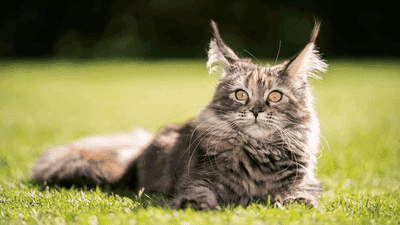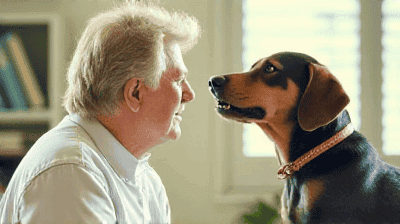
Bringing a pet into your family is an exciting adventure, but it also comes with responsibilities, including training. Training your pet is not just about teaching good behavior; it’s also an opportunity to involve the entire family and strengthen the bond between your pet and each family member. When everyone feels included in the training process, it creates a sense of teamwork and ensures that your pet receives consistent guidance.

Bringing a pet into your family is an exciting adventure, but it also comes with responsibilities, including training. Training your pet is not just about teaching good behavior; it’s also an opportunity to involve the entire family and strengthen the bond between your pet and each family member. When everyone feels included in the training process, it creates a sense of teamwork and ensures that your pet receives consistent guidance.
The Importance of Family-Inclusive Pet Training
Training a pet is a team effort, and involving the whole family has numerous benefits. It ensures that your pet receives consistent cues and commands, which is crucial for effective learning. Additionally, family-inclusive training teaches children responsibility, empathy, and patience while fostering a deeper connection between them and the pet. By working together, your family can create a harmonious environment where everyone feels valued and included.
Benefits of Family-Inclusive Pet Training
- Consistency in Training: When all family members use the same commands and techniques, it reinforces learning and helps the pet understand what’s expected.
- Teaching Responsibility: Involving children in training teaches them accountability and the importance of caring for their pet.
- Strengthening Bonds: Training together creates opportunities for positive interactions, strengthening the bond between your pet and each family member.
- Building Empathy and Patience: Children learn to understand their pet’s needs and behaviors, fostering empathy and patience.
- Encouraging Teamwork: Family-inclusive training promotes teamwork and communication among family members.
Family Friendly Pet Training Tips
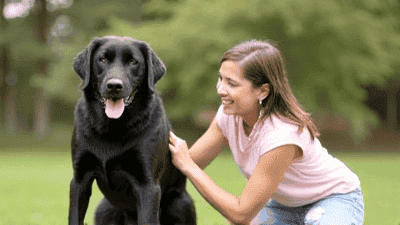
Training your pet as a family can be a fun and rewarding experience if done correctly. Here are some tips to ensure everyone feels included and the training process is effective:
1. Assign Roles and Responsibilities
To involve everyone in the training process, assign roles and responsibilities based on each family member’s age and abilities. Here’s how to create a training schedule that works for your family:
For Adults
- Lead Trainers: Adults can take on the role of lead trainers, overseeing the training process and ensuring consistency.
- Supervisors: Adults should supervise training sessions, especially when younger children are involved, to ensure safety and effectiveness.
For Children
- Junior Trainers: Older children can assist with training tasks, such as teaching basic commands or practicing tricks.
- Treat Givers: Younger children can help by handing out treats or toys as rewards during training sessions.
2. Use Positive Reinforcement
Positive reinforcement is one of the most effective and family-friendly training methods. It involves rewarding desired behaviors with treats, praise, or playtime, encouraging the pet to repeat those behaviors.
How to Use Positive Reinforcement
- Choose Rewards: Use high-value treats, toys, or verbal praise as rewards for good behavior.
- Be Timely: Reward the pet immediately after they perform the desired behavior to reinforce the connection.
- Keep It Consistent: Ensure all family members use the same rewards and reinforce the same behaviors.
3. Teach Basic Commands as a Family
Basic commands like "sit," "stay," "come," and "leave it" are essential for a well-behaved pet. Teaching these commands as a family ensures that your pet responds to everyone.
Steps to Teach Basic Commands
- Start with One Command: Begin with a simple command like "sit" and practice it consistently.
- Use Clear Cues: Ensure all family members use the same verbal cue and hand signal for each command.
- Practice Daily: Short, frequent training sessions are more effective than long, infrequent ones. Encourage everyone to participate.
- Celebrate Success: Celebrate small milestones to keep the training process fun and motivating.
4. Make Training Fun and Engaging
Training doesn’t have to be boring. Incorporate fun activities and games to keep both your pet and family members engaged.
Training Games for Families
- Fetch and Retrieve: Use fetch as an opportunity to practice commands like "come" and "drop it."
- Hide and Seek: Teach your pet to "stay" while family members hide, then call them to "come" and find you.
- Obstacle Course: Set up a simple obstacle course in your backyard and guide your pet through it using commands.
5. Involve Children in Pet Care
In addition to training, involve children in other aspects of pet care to teach responsibility and empathy.
Pet Care Tasks for Kids
- Feeding: Assign children the task of feeding the pet at designated times.
- Grooming: Teach children to brush the pet’s fur or clean their paws gently.
- Cleaning Up: Involve children in cleaning up after the pet, such as picking up toys or scooping litter.
6. Address Behavioral Challenges Together
Behavioral challenges like barking, chewing, or jumping can be frustrating, but addressing them as a family ensures consistency and reinforces positive behavior.
Tips for Addressing Behavioral Challenges
- Identify Triggers: Work together to identify what triggers the unwanted behavior and find ways to manage it.
- Teach Alternatives: Train your pet to replace unwanted behaviors with desired ones, such as sitting instead of jumping.
- Be Patient: Behavioral changes take time, so encourage family members to remain patient and consistent.
7. Celebrate Progress and Achievements
Celebrating small wins keeps the training process positive and motivates everyone to continue.
Ways to Celebrate Progress
- Family Rewards: Treat the whole family to a special outing or activity when your pet achieves a training milestone.
- Pet Parties: Host a small celebration for your pet, complete with treats and toys, to mark their progress.
- Visual Trackers: Use a chart or visual tracker to record your pet’s achievements and share them with the family.
Tips for Training Specific Types of Pets
Different types of pets have unique training needs. Here are some tips for training specific types of pets as a family:
Dogs
- Socialization: Expose your dog to different environments, people, and other animals to build confidence and reduce anxiety.
- Leash Training: Teach your dog to walk calmly on a leash as a family by taking turns during walks.
Cats
- Litter Training: Ensure all family members are consistent in showing your cat where the litter box is located.
- Scratching Posts: Teach your cat to use scratching posts instead of furniture by rewarding them with treats or catnip.
Small Animals (Hamsters, Rabbits, etc.)
- Handling: Teach children to handle small animals gently and supervise interactions to prevent accidents.
- Enrichment: Provide toys and activities to keep small animals mentally stimulated and reduce unwanted behaviors.
Fish
- Feeding Routine: Involve children in feeding the fish at the same time each day to establish a routine.
- Tank Cleaning: Teach older children to assist with cleaning the aquarium to maintain a healthy environment.
Conclusion
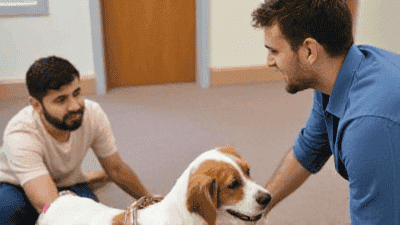
Family-friendly pet training is about more than teaching good behavior; it’s an opportunity to involve everyone in the process, teach responsibility, and strengthen the bond between your pet and family. By assigning roles, using positive reinforcement, and making training fun and engaging, you can create a positive and inclusive environment for both your pet and your loved ones. Remember that training is an ongoing process that requires patience, consistency, and teamwork. With the right approach, your family can enjoy the many rewards of raising a well-behaved and happy pet together.